Steam Cleaning Compared with Dry Cleaning for Upholstery Pros: What Works Best, When, and Why
If you are comparing steam cleaning and dry cleaning for upholstery, you are probably trying to solve a very practical problem: how do you clean fabric safely, remove stains properly, and avoid leaving a sofa soggy, flattened, or worse, damaged? Truth be told, this is where a lot of people get tripped up. The wrong method can make a nice armchair look tired in one afternoon.
This guide breaks down steam cleaning compared with dry cleaning for upholstery pros in plain English. You will see how each method works, what each one is good at, where the risks sit, and how professionals decide which approach is the better fit. Along the way, we will look at real-world factors like fabric type, drying time, stain behaviour, odour control, and the kind of finish you actually want in a lived-in home.
If you need broader upholstery help beyond the method choice itself, our upholstery cleaning service and related sofa cleaning support can be useful starting points, especially when the fabric is delicate or the furniture is heavily used.
Table of Contents
- Why the comparison matters
- How each method works
- Key benefits and practical advantages
- Who this is for and when it makes sense
- Step-by-step guidance
- Expert tips for better results
- Common mistakes to avoid
- Tools, resources and recommendations
- Law, compliance, standards and best practice
- Options, methods, and comparison table
- Case study or real-world example
- Practical checklist
- Conclusion
- Frequently asked questions
Why Steam cleaning compared with dry cleaning for upholstery pros Matters
Upholstery is not a one-size-fits-all surface. A cotton blend corner sofa in a family living room behaves very differently from a viscose blend chair in a formal sitting room. That is why the choice between steam cleaning and dry cleaning matters so much. The method affects not only cleanliness, but also texture, colour stability, drying time, and how long the furniture stays looking decent after the job.
For professionals, this is really about matching the chemistry and moisture level to the fabric construction and the client's expectations. For homeowners, it is about avoiding disappointment. Do you want deep extraction and a fresh, visibly cleaner finish? Or do you need a quicker turnaround with less moisture and minimal interruption? That decision changes everything.
There is also a practical business angle. The method you recommend has a knock-on effect on labour time, customer satisfaction, and the risk of callbacks. A cleaner who understands fabric response, pre-testing, and spotting problems early will usually deliver a better result than someone who just reaches for the nearest machine. Let's face it, the machine is only half the story.
In our experience, the most successful jobs are the ones where the cleaner thinks like a fabric technician, not just a stain remover. That mindset is worth more than any glossy brochure.
How Steam cleaning compared with dry cleaning for upholstery pros Works
Although the terms get thrown around loosely, steam cleaning and dry cleaning are quite different in practice. Neither method is magic. Both depend on fabric compatibility, soil type, and how carefully the technician prepares the surface first.
How steam cleaning works
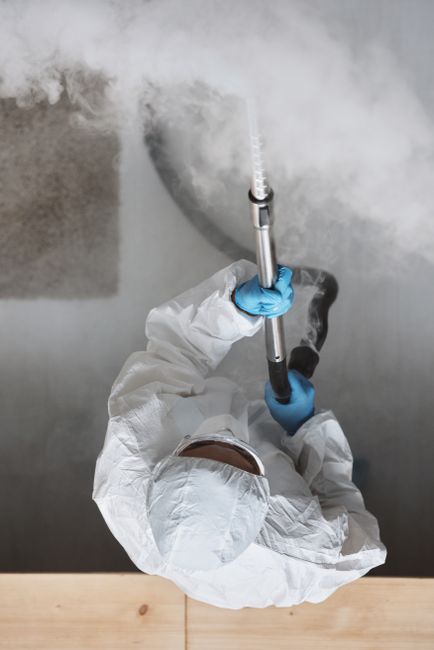
Steam cleaning for upholstery usually means hot-water-based cleaning, not literal steam in the kettle sense. The process uses a heated solution and extraction to loosen dirt, suspend residues, and pull soils back out of the fabric. A technician typically pre-inspects the item, identifies the fabric, applies a pre-spray, agitates where needed, and then extracts moisture using a controlled rinse.
The strength of this method is deep soil removal. It is especially effective where upholstery has absorbed body oils, everyday grime, drink marks, pet-related contamination, or general dullness. When done properly, it can restore brightness and improve overall hygiene. The trade-off is moisture. Too much, and you risk long drying times, wicking, texture changes, or shrinkage on sensitive fabrics.
How dry cleaning works
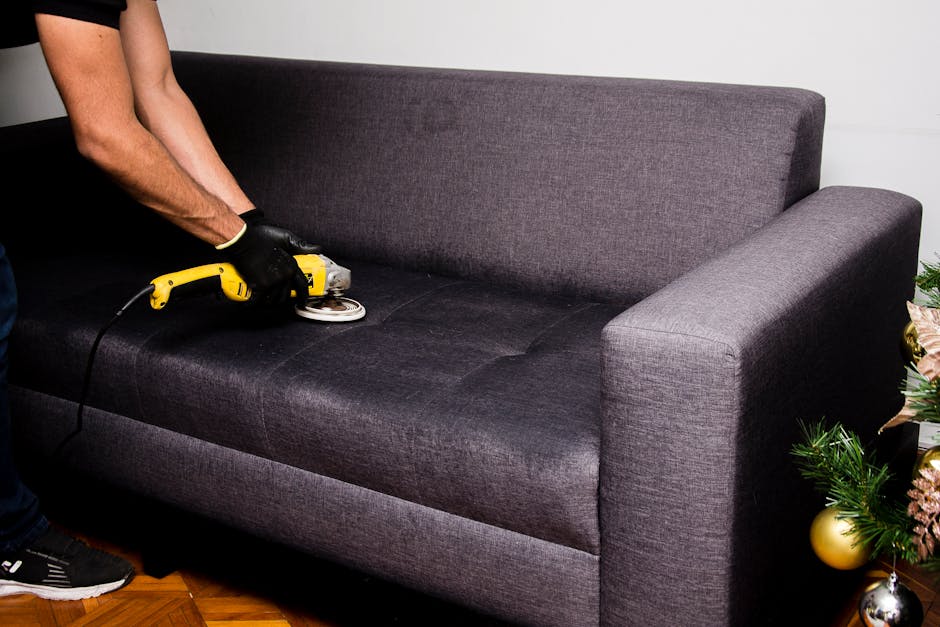
Dry cleaning for upholstery usually relies on low-moisture or solvent-based systems. Depending on the fabric and product used, this may involve foam, compound, solvent, or a controlled low-moisture application that is worked into the fibres and then removed with minimal water. The goal is to clean without soaking the upholstery.
This is useful on delicate textiles, water-sensitive fabrics, or items that need a fast turnaround. It is also handy where the risk of shrinkage, browning, or dye movement is higher. The finish can be good, but it is not always as deep as a properly executed extraction clean. Sometimes that is absolutely fine. Sometimes it is not.
If you are dealing with complex staining alongside upholstery cleaning, the fabric may also benefit from targeted stain removal techniques before the main clean, because one method alone often will not solve every issue.
Key Benefits and Practical Advantages
Both methods have a place. The trick is knowing what each one does best so you can choose with confidence instead of guesswork.
Benefits of steam cleaning
- Deeper soil removal: Better for embedded dirt, traffic grime, and general dulling.
- Stronger rinse-out: Useful where residues, body oils, and airborne contamination have built up over time.
- Freshening effect: Often leaves upholstery feeling cleaner and looking revived.
- Good for heavier use: Works well on sofas, dining chairs, and furniture used daily.
Benefits of dry cleaning
- Lower moisture: Safer for certain delicate fabrics and quicker to return to use.
- Reduced drying concerns: Helpful where ventilation is poor or downtime must be short.
- Gentler feel: Can be the better choice for fabrics that dislike saturation.
- Convenient for light maintenance: Suitable when the goal is refreshment rather than heavy restoration.
The biggest practical advantage is not the method itself but the fit. A good cleaner is not trying to force every sofa through the same process. They are matching the method to the item. Simple idea. Very important reality.
Expert summary: Steam cleaning tends to win on deep cleaning power and overall soil removal, while dry cleaning tends to win on speed, moisture control, and fabric caution. The best method is the one the textile can tolerate.
For larger properties or regular commercial use, method selection becomes even more important. If upholstery is part of an office, hospitality setting, or managed building, planning around downtime matters just as much as visual appearance. Our commercial carpet cleaning page is a useful reference point for understanding how professional cleaning plans are built around access, use, and disruption.
Who This Is For and When It Makes Sense
This comparison is useful for several kinds of readers. A homeowner with a tired sofa needs different advice from a facilities manager or a cleaning professional, but the core logic is the same.
Steam cleaning usually makes sense when:
- the upholstery is robust and colourfast
- there is visible dullness or widespread soiling
- odours need a stronger rinse-out approach
- pets, children, or daily use have left the fabric heavily worked
- you want a more thorough clean rather than a surface refresh
Dry cleaning usually makes sense when:
- the fabric is delicate, water-sensitive, or loosely constructed
- drying time has to be kept short
- the item is vintage, decorative, or high-risk
- the client wants minimal moisture and minimal interruption
- the job is mainly about maintenance, not restoration
A very common example: a family sofa with everyday grime and a couple of food marks often benefits from controlled hot-water extraction. A decorative accent chair with a delicate finish may be better served with low-moisture treatment and careful hand work. Different tools for different jobs. That is the whole game.
If pet-related mess is part of the problem, it can help to look at a broader treatment plan, including pet stain and odour removal, because odour molecules often behave differently from visible staining. Smell lingers in a way people do not always expect. Rather annoying, really.
Step-by-Step Guidance
Here is the practical process a careful upholstery professional usually follows, whether the final choice is steam cleaning or dry cleaning.
- Identify the fibre and construction. Check the fabric label if available, but do not rely on it alone. Look at weave, backing, seams, trims, and any previous treatment marks.
- Test in an inconspicuous area. Colour transfer, ring marks, and pile distortion are much easier to spot before the main clean starts.
- Assess the soil load. Light dusting is one thing; greasy body soils and deep contamination are another. Be honest about what the fabric can realistically give up.
- Choose the lowest-risk method that still solves the problem. If the fabric is robust, steam cleaning may be efficient. If it is fragile, dry cleaning may be safer.
- Pre-treat targeted stains. Spots often need separate attention before the main method is applied.
- Control moisture and dwell time. This is where experience matters. Too much product, too much agitation, or too much water can cause headaches later.
- Extract or remove residues properly. Left-behind cleaning agents attract dirt. Nobody wants a sofa that looks clean for two days and then suddenly not.
- Dry correctly. Use airflow, ventilation, and sensible room conditions. Do not rush the finish.
- Finish with a final inspection. Check seams, arms, under-cushion areas, and any spots where moisture may have pooled.
That sequence sounds obvious, but in practice people skip steps when they are busy. The result? Patchy cleaning, visible tide marks, or a frustrated customer. A little patience here saves a lot of trouble later.
Expert Tips for Better Results
A few small habits make a big difference on upholstery jobs. These are the things experienced cleaners pay attention to without making a song and dance about it.
- Always check drying conditions first. A well-cleaned sofa in a cold room with no airflow can still smell damp by evening.
- Use minimal product, not maximum product. Over-wetting and over-foaming create more problems than they solve.
- Work methodically from the least risky area outward. Once a fabric starts to respond badly, it is better to stop early than keep pushing.
- Pay attention to armrests and head contact areas. These are often greasier than they look, and they need proper agitation.
- Keep an eye on pile direction. Velvet, chenille, and brushed fabrics can change appearance depending on how they are handled.
- Set expectations clearly. A client may want "like new," but not every textile can realistically go there. Better to say so upfront.
One of the most overlooked truths in upholstery work is that cleaning and appearance are not always the same thing. A piece can be hygienically clean yet still show wear, shading, or fibre crush. That is not failure; it is just the material being the material.
If the fabric is part of a room that also has curtains, rugs, or mattresses in need of attention, it often makes sense to plan the whole refresh together. For example, pairing upholstery work with curtain cleaning or rug cleaning can help a room feel genuinely reset rather than half-done.
Common Mistakes to Avoid
Most upholstery problems after cleaning are caused by avoidable errors, not bad luck. A few of the big ones show up again and again.
- Assuming steam cleaning is always better. It is not. Some fabrics will punish you for being too aggressive.
- Skipping a test patch. This is a classic mistake, and honestly a costly one.
- Using too much water on delicate furniture. That can lead to shrinkage, dye migration, or long-term odour issues.
- Cleaning stains without understanding the stain type. Protein, tannin, oil, dye, and soil marks behave differently.
- Ignoring previous cleaning residues. Old product build-up can react badly with new treatments.
- Rushing drying. Clients hate lingering dampness. So do cleaners who get called back to sort out a smell.
One more, and this is a sneaky one: overpromising. If a stain has been in a fabric for six months, there is no point pretending a quick pass will erase it completely. Better to explain the likely outcome than oversell and hope for the best. That rarely ends well.
Tools, Resources and Recommendations
You do not need a mountain of gear to make a sensible upholstery decision, but you do need the right basics. The tools are only useful when used with judgement.
- Upholstery inspection light: Helps reveal soil patterns, old marks, and fibre shading.
- Fabric-safe spot testing kit: Useful for checking colourfastness and product reaction.
- Hot-water extraction equipment: Best suited to steam-style cleaning where the fabric allows it.
- Low-moisture cleaning compounds or solvent systems: Helpful for dry cleaning approaches.
- Microfibre cloths and controlled agitation tools: Good for targeted work and detail finishing.
- Air movers or strong ventilation: Essential for proper drying after wetter processes.
For practical planning, some customers also want clarity on price and what affects it. That is fair enough. Furniture type, fabric complexity, stain load, access, and drying requirements all matter. If you want a clearer idea of how a job is assessed, our pricing and quotes page gives a useful overview of the factors that usually shape an estimate.
If you are comparing services or booking a visit, it also helps to check company details such as about us, insurance and safety, and health and safety policy. Those pages matter more than people sometimes think. A cleaner who takes safety seriously tends to take the actual cleaning seriously too.
Law, Compliance, Standards, or Best Practice
For upholstery cleaning, the most important compliance and best-practice considerations are usually practical rather than flashy. In the UK, professional cleaners are expected to work safely, handle chemicals responsibly, and avoid creating avoidable risks for clients, property, and themselves. That includes proper product use, ventilation, risk awareness, and sensible fabric testing.
From a best-practice perspective, a professional approach should usually include:
- clear pre-inspection and fabric identification
- reasonable risk assessment before wet cleaning
- product use in line with manufacturer guidance
- careful handling of electrical equipment around moisture
- transparent communication about expected outcomes and limitations
Customers also care about trust, security, and what happens if something goes wrong. That is why it helps to look at practical site information such as payment and security, terms and conditions, and the complaints procedure. Not glamorous, perhaps. But important. Very important when people are letting someone work in their home.
Environmental care can also be part of the decision. Lower-moisture approaches may reduce water use in some jobs, while more thorough extraction may reduce the need for repeat treatments. The right balance depends on the fabric and the outcome required. If sustainability is on your mind, the company's recycling and sustainability information is worth a look.
Options, Methods, or Comparison Table
Below is a practical comparison of steam cleaning and dry cleaning for upholstery. It is not a universal rulebook, because fabric type always has the final say, but it is a solid decision-making guide.
| Factor | Steam cleaning | Dry cleaning |
|---|---|---|
| Moisture level | Higher | Low |
| Deep soil removal | Usually stronger | Usually lighter |
| Drying time | Longer | Shorter |
| Fabric risk | Higher on delicate materials | Lower on water-sensitive fabrics |
| Best for | Everyday-use furniture, heavier soiling, odour control | Delicate fabrics, limited downtime, cautious maintenance |
| Typical finish | Deeper refresh and a more washed feel | More controlled and conservative |
In simple terms, steam cleaning is often the stronger clean, while dry cleaning is often the safer or faster choice. The best method depends on whether the priority is recovery, protection, or turnaround. If you think about it that way, the choice becomes much easier.
And yes, sometimes the answer is neither method on its own. A proper upholstery job may involve targeted stain work, controlled hand cleaning, and a light extraction or low-moisture finish. Professional cleaning is often a blend, not a single dramatic move.
Case Study or Real-World Example
Here is a realistic scenario from everyday upholstery work. A customer has a mid-century style three-seater sofa with a woven fabric cover. The seating area is dull, there are a few drink rings on one cushion, and the arms have picked up the usual oily marks from daily use. The room is well ventilated, and the fabric appears colourfast after testing.
In that case, a controlled steam clean often makes sense. The technician would pre-vacuum, test the fabric, treat the marks, and use restrained extraction rather than flooding the sofa. The result is usually a more even finish, improved freshness, and better soil removal than a dry-only method would deliver.
Now imagine a different job: a decorative chair with a delicate cover, limited ventilation, and a client who needs it back in use the same day. Even if it has some visible dusting and light marks, dry cleaning may be the wiser choice. It is not about doing less. It is about doing the right thing for the textile and the situation.
One little detail professionals notice: after a proper clean, people often sit down differently. The fabric feels less sticky, the room smells lighter, and the whole piece looks more settled. Small thing, maybe. But customers notice it straight away.
Practical Checklist
Use this checklist before choosing between steam cleaning and dry cleaning for upholstery.
- Identify the fabric type and check care guidance where available
- Test in a hidden area for colour stability and water reaction
- Assess how dirty the item really is, not just how it looks at first glance
- Decide whether deep soil removal or low-moisture protection matters more
- Check drying conditions in the room
- Look for previous stains, residues, or signs of past over-wetting
- Confirm whether odour control is part of the job
- Protect trims, wooden legs, and adjacent flooring before cleaning
- Set realistic expectations for colour, texture, and stain removal
- Plan aftercare so the upholstery dries properly and stays clean for longer
If a job feels borderline, pause. That pause is often the difference between a careful clean and an awkward one.
Conclusion
Steam cleaning and dry cleaning each have a clear place in upholstery care. Steam cleaning usually offers deeper cleaning and better soil removal on suitable fabrics, while dry cleaning offers lower moisture and a safer path for delicate or time-sensitive items. The right choice depends on the fabric, the level of soiling, the drying window, and the result you need.
For professionals, the real skill is not picking a favourite method. It is reading the fabric, spotting the risk, and applying the least aggressive option that still does the job properly. For clients, that means cleaner furniture, fewer surprises, and a better long-term finish. Which is what everyone wants, really.
If you are unsure which method suits your upholstery, a careful inspection and honest advice will usually save time and prevent damage. That is the sensible route, even if it is a little less exciting than a quick fix.
Get a free quote today and see how much you can save.
Sometimes the best cleaning decision is the quiet one: careful, measured, and made with the fabric in mind. That tends to age well.
Frequently Asked Questions
Is steam cleaning better than dry cleaning for upholstery?
Not always. Steam cleaning is often better for deeper soil removal on suitable fabrics, but dry cleaning can be safer for delicate or moisture-sensitive upholstery. The fabric type decides the winner more than the label does.
Does steam cleaning leave upholstery too wet?
It can if too much moisture is used or drying conditions are poor. A professional approach should control water carefully and use proper extraction and ventilation to avoid that soggy, lingering-damp feeling.
Is dry cleaning safe for all upholstery fabrics?
No. It is often safer than wet cleaning on sensitive items, but the product system and fabric still need to be compatible. Always test first. That part never gets old, because it keeps saving furniture.
Which method removes odours better?
Steam cleaning usually has the edge because it can rinse out more embedded residues. That said, odour sources vary, and some need targeted treatment rather than a general clean. Pet odours can be especially stubborn.
How long does upholstery take to dry after steam cleaning?
Drying time varies by fabric, airflow, humidity, and how much moisture was used. Some items dry quickly, others take longer. A well-managed job should make that clear before cleaning begins.
Can dry cleaning remove heavy stains?
Sometimes, but not always. Dry cleaning is often better for maintenance and delicate fabrics than for deep stain recovery. Heavy or old stains may need pre-treatment or a different method altogether.
What is the main risk of steam cleaning upholstery?
The main risks are over-wetting, shrinkage, dye movement, and long drying times. Those risks are manageable when the technician tests the fabric and keeps moisture under control.
Is dry cleaning cheaper than steam cleaning?
Not necessarily. Pricing depends on the item, fabric, labour, stain complexity, and access. Sometimes dry cleaning is simpler; sometimes it is more specialised. Cost is about the job, not just the method.
Can I choose the method myself, or should a professional decide?
You can have a preference, but a professional should make the final fabric-based recommendation. That is especially important for delicate, expensive, or older furniture. Better safe than sorry, as they say.
What should I ask before booking upholstery cleaning?
Ask which method will be used, how the fabric will be tested, what drying time to expect, whether stains can be pre-treated, and what happens if the upholstery is water-sensitive. Clear answers are a good sign.
Does upholstery cleaning also help with sofas and chairs in the same home?
Yes. In many cases, the same principles apply across sofas, armchairs, dining chairs, and other upholstered items. A full-room clean may also pair well with steam carpet cleaning or other fabric care services when the whole space needs refreshing.
What if I am not sure whether my fabric can be steam cleaned?
Do not guess. Check the care label if available, test a hidden area, and get a professional inspection if needed. When in doubt, the safest method is the one that respects the fabric rather than forcing it.